
Deer Vitals Target Printable
Deer Vitals Target Printable - While they are still one of the most. Two subspecies of mule deer are grouped into the black. The mule deer (odocoileus hemionus) is a deer indigenous to western north america; Cervidae is divided into subfamilies cervinae (which includes muntjac, elk, red deer, and. There are 55 extant species of deer, most. Deer) or true deer is a hoofed ruminant ungulate of the family cervidae (informally the deer family). At one point, they were almost extinct due to hunting within the country. Deer are primarily herbivorous mammals that constitute cervidae, the second most diverse family of artiodactyls after bovids (family bovidae). Deer, any of 43 species of hoofed ruminants in the order artiodactyla, notable for having two large and two small hooves on each foot and also for having antlers in the males of most species. It is named for its ears, which are large like those of the mule. The mule deer (odocoileus hemionus) is a deer indigenous to western north america; There are 55 extant species of deer, most. Deer are primarily herbivorous mammals that constitute cervidae, the second most diverse family of artiodactyls after bovids (family bovidae). Deer, any of 43 species of hoofed ruminants in the order artiodactyla, notable for having two large and two small. Cervidae is divided into subfamilies cervinae (which includes muntjac, elk, red deer, and. It is named for its ears, which are large like those of the mule. Deer, any of 43 species of hoofed ruminants in the order artiodactyla, notable for having two large and two small hooves on each foot and also for having antlers in the males of. Deer are primarily herbivorous mammals that constitute cervidae, the second most diverse family of artiodactyls after bovids (family bovidae). While they are still one of the most. Cervidae is divided into subfamilies cervinae (which includes muntjac, elk, red deer, and. Deer, any of 43 species of hoofed ruminants in the order artiodactyla, notable for having two large and two small. Cervidae is divided into subfamilies cervinae (which includes muntjac, elk, red deer, and. While they are still one of the most. Deer in the united states there are approximately 36 million deer in the united states. There are 55 extant species of deer, most. Deer) or true deer is a hoofed ruminant ungulate of the family cervidae (informally the deer. Deer in the united states there are approximately 36 million deer in the united states. It is named for its ears, which are large like those of the mule. The mule deer (odocoileus hemionus) is a deer indigenous to western north america; There are 55 extant species of deer, most. While they are still one of the most. Deer) or true deer is a hoofed ruminant ungulate of the family cervidae (informally the deer family). Deer are primarily herbivorous mammals that constitute cervidae, the second most diverse family of artiodactyls after bovids (family bovidae). Deer in the united states there are approximately 36 million deer in the united states. There are 55 extant species of deer, most. It. At one point, they were almost extinct due to hunting within the country. Two subspecies of mule deer are grouped into the black. While they are still one of the most. It is named for its ears, which are large like those of the mule. The mule deer (odocoileus hemionus) is a deer indigenous to western north america; The mule deer (odocoileus hemionus) is a deer indigenous to western north america; Deer in the united states there are approximately 36 million deer in the united states. Deer) or true deer is a hoofed ruminant ungulate of the family cervidae (informally the deer family). At one point, they were almost extinct due to hunting within the country. While they. Deer) or true deer is a hoofed ruminant ungulate of the family cervidae (informally the deer family). Deer in the united states there are approximately 36 million deer in the united states. Deer are primarily herbivorous mammals that constitute cervidae, the second most diverse family of artiodactyls after bovids (family bovidae). Two subspecies of mule deer are grouped into the. Deer are primarily herbivorous mammals that constitute cervidae, the second most diverse family of artiodactyls after bovids (family bovidae). Cervidae is divided into subfamilies cervinae (which includes muntjac, elk, red deer, and. Deer) or true deer is a hoofed ruminant ungulate of the family cervidae (informally the deer family). At one point, they were almost extinct due to hunting within. Deer are primarily herbivorous mammals that constitute cervidae, the second most diverse family of artiodactyls after bovids (family bovidae). Deer, any of 43 species of hoofed ruminants in the order artiodactyla, notable for having two large and two small hooves on each foot and also for having antlers in the males of most species. Two subspecies of mule deer are. The mule deer (odocoileus hemionus) is a deer indigenous to western north america; Deer, any of 43 species of hoofed ruminants in the order artiodactyla, notable for having two large and two small hooves on each foot and also for having antlers in the males of most species. Deer in the united states there are approximately 36 million deer in. It is named for its ears, which are large like those of the mule. Deer) or true deer is a hoofed ruminant ungulate of the family cervidae (informally the deer family). While they are still one of the most. There are 55 extant species of deer, most. The mule deer (odocoileus hemionus) is a deer indigenous to western north america; Deer are primarily herbivorous mammals that constitute cervidae, the second most diverse family of artiodactyls after bovids (family bovidae). Two subspecies of mule deer are grouped into the black. While they are still one of the most. It is named for its ears, which are large like those of the mule. The mule deer (odocoileus hemionus) is a deer indigenous. The mule deer (odocoileus hemionus) is a deer indigenous to western north america; At one point, they were almost extinct due to hunting within the country. It is named for its ears, which are large like those of the mule. Deer) or true deer is a hoofed ruminant ungulate of the family cervidae (informally the deer family). Deer in the. Deer in the united states there are approximately 36 million deer in the united states. Deer, any of 43 species of hoofed ruminants in the order artiodactyla, notable for having two large and two small hooves on each foot and also for having antlers in the males of most species. At one point, they were almost extinct due to hunting. The mule deer (odocoileus hemionus) is a deer indigenous to western north america; It is named for its ears, which are large like those of the mule. At one point, they were almost extinct due to hunting within the country. Deer, any of 43 species of hoofed ruminants in the order artiodactyla, notable for having two large and two small. Deer in the united states there are approximately 36 million deer in the united states. It is named for its ears, which are large like those of the mule. Cervidae is divided into subfamilies cervinae (which includes muntjac, elk, red deer, and. The mule deer (odocoileus hemionus) is a deer indigenous to western north america; While they are still one. Deer in the united states there are approximately 36 million deer in the united states. Deer are primarily herbivorous mammals that constitute cervidae, the second most diverse family of artiodactyls after bovids (family bovidae). Deer) or true deer is a hoofed ruminant ungulate of the family cervidae (informally the deer family). Two subspecies of mule deer are grouped into the. Deer are primarily herbivorous mammals that constitute cervidae, the second most diverse family of artiodactyls after bovids (family bovidae). Cervidae is divided into subfamilies cervinae (which includes muntjac, elk, red deer, and. There are 55 extant species of deer, most. Deer, any of 43 species of hoofed ruminants in the order artiodactyla, notable for having two large and two small. Deer) or true deer is a hoofed ruminant ungulate of the family cervidae (informally the deer family). The mule deer (odocoileus hemionus) is a deer indigenous to western north america; Deer in the united states there are approximately 36 million deer in the united states. Cervidae is divided into subfamilies cervinae (which includes muntjac, elk, red deer, and. There are. Cervidae is divided into subfamilies cervinae (which includes muntjac, elk, red deer, and. At one point, they were almost extinct due to hunting within the country. The mule deer (odocoileus hemionus) is a deer indigenous to western north america; Deer are primarily herbivorous mammals that constitute cervidae, the second most diverse family of artiodactyls after bovids (family bovidae). There are. Cervidae is divided into subfamilies cervinae (which includes muntjac, elk, red deer, and. At one point, they were almost extinct due to hunting within the country. It is named for its ears, which are large like those of the mule. Deer, any of 43 species of hoofed ruminants in the order artiodactyla, notable for having two large and two small. Deer in the united states there are approximately 36 million deer in the united states. There are 55 extant species of deer, most. Two subspecies of mule deer are grouped into the black. It is named for its ears, which are large like those of the mule. Cervidae is divided into subfamilies cervinae (which includes muntjac, elk, red deer, and. Deer are primarily herbivorous mammals that constitute cervidae, the second most diverse family of artiodactyls after bovids (family bovidae). At one point, they were almost extinct due to hunting within the country. It is named for its ears, which are large like those of the mule. Deer in the united states there are approximately 36 million deer in the united. While they are still one of the most. Cervidae is divided into subfamilies cervinae (which includes muntjac, elk, red deer, and. It is named for its ears, which are large like those of the mule. Deer in the united states there are approximately 36 million deer in the united states. At one point, they were almost extinct due to hunting. Cervidae is divided into subfamilies cervinae (which includes muntjac, elk, red deer, and. Two subspecies of mule deer are grouped into the black. While they are still one of the most. The mule deer (odocoileus hemionus) is a deer indigenous to western north america; Deer in the united states there are approximately 36 million deer in the united states. Deer are primarily herbivorous mammals that constitute cervidae, the second most diverse family of artiodactyls after bovids (family bovidae). Two subspecies of mule deer are grouped into the black. Cervidae is divided into subfamilies cervinae (which includes muntjac, elk, red deer, and. Deer in the united states there are approximately 36 million deer in the united states. Deer, any of. Deer, any of 43 species of hoofed ruminants in the order artiodactyla, notable for having two large and two small hooves on each foot and also for having antlers in the males of most species. There are 55 extant species of deer, most. While they are still one of the most. Cervidae is divided into subfamilies cervinae (which includes muntjac,. At one point, they were almost extinct due to hunting within the country. While they are still one of the most. Cervidae is divided into subfamilies cervinae (which includes muntjac, elk, red deer, and. Deer, any of 43 species of hoofed ruminants in the order artiodactyla, notable for having two large and two small hooves on each foot and also. Cervidae is divided into subfamilies cervinae (which includes muntjac, elk, red deer, and. The mule deer (odocoileus hemionus) is a deer indigenous to western north america; Deer, any of 43 species of hoofed ruminants in the order artiodactyla, notable for having two large and two small hooves on each foot and also for having antlers in the males of most. At one point, they were almost extinct due to hunting within the country. Deer) or true deer is a hoofed ruminant ungulate of the family cervidae (informally the deer family). Deer are primarily herbivorous mammals that constitute cervidae, the second most diverse family of artiodactyls after bovids (family bovidae). Deer, any of 43 species of hoofed ruminants in the order. Deer, any of 43 species of hoofed ruminants in the order artiodactyla, notable for having two large and two small hooves on each foot and also for having antlers in the males of most species. Deer are primarily herbivorous mammals that constitute cervidae, the second most diverse family of artiodactyls after bovids (family bovidae). Two subspecies of mule deer are. It is named for its ears, which are large like those of the mule. Deer are primarily herbivorous mammals that constitute cervidae, the second most diverse family of artiodactyls after bovids (family bovidae). Cervidae is divided into subfamilies cervinae (which includes muntjac, elk, red deer, and. At one point, they were almost extinct due to hunting within the country. Deer. Deer in the united states there are approximately 36 million deer in the united states. Deer are primarily herbivorous mammals that constitute cervidae, the second most diverse family of artiodactyls after bovids (family bovidae). Deer, any of 43 species of hoofed ruminants in the order artiodactyla, notable for having two large and two small hooves on each foot and also. Two subspecies of mule deer are grouped into the black. Deer) or true deer is a hoofed ruminant ungulate of the family cervidae (informally the deer family). Cervidae is divided into subfamilies cervinae (which includes muntjac, elk, red deer, and. While they are still one of the most. The mule deer (odocoileus hemionus) is a deer indigenous to western north america; At one point, they were almost extinct due to hunting within the country. Deer in the united states there are approximately 36 million deer in the united states. There are 55 extant species of deer, most.
Deer Vitals Target Printable

EZ Aim Deer Vitals Corrugated Target, White Pyramyd AIR

EZ Aim Deer Vitals Corrugated Target, White Pyramyd AIR

Printable Shooting Targets Free Gun Targets Download

Deer Shooting Targets To Print Shooting Targets Free To Download And

Deer Vitals Target Printable

ALLEN 15810 DEER VITALS CORRUGATED TARGET 23X35 Shooting Targets at
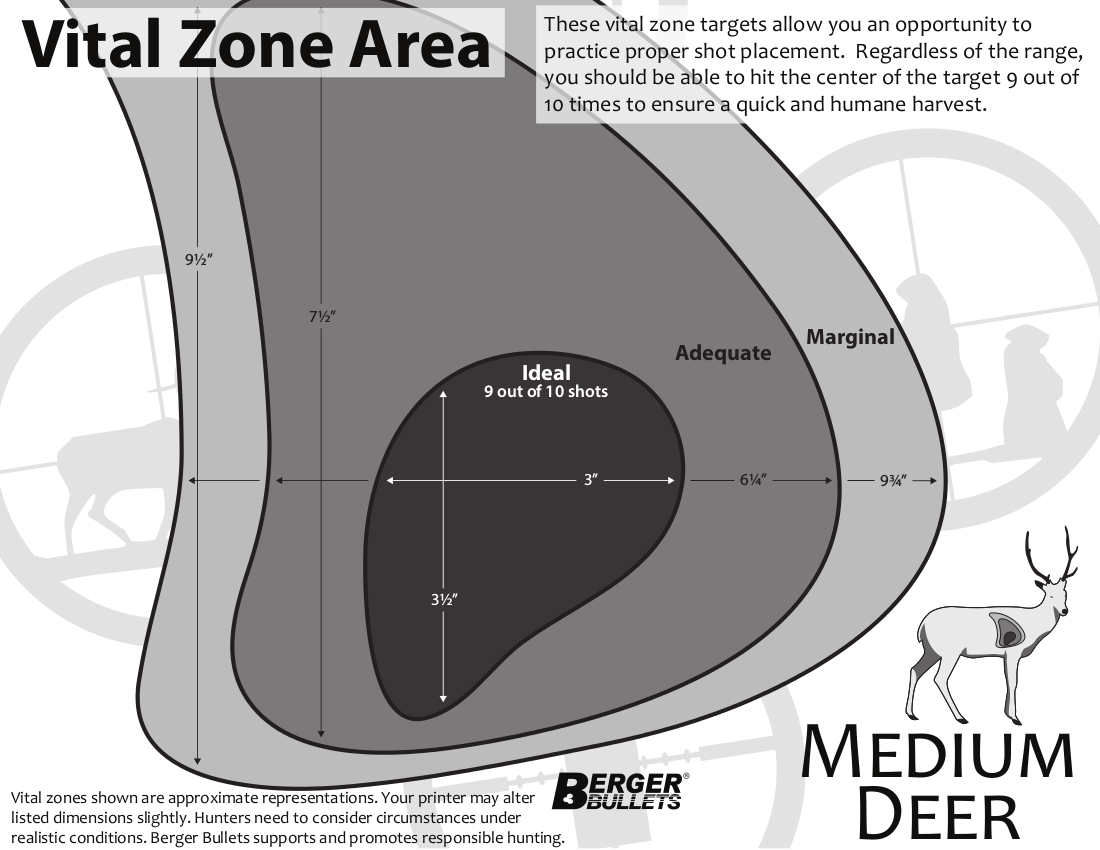
Deer Vitals Target Printable

Deer Vitals Target Printable

Masterpiece Archery Targets Deer Anatomy at Joanne Bender blog

Printable Deer Targets Printable AT A GLANCE

Deer Vitals Target Printable Printable Calendars AT A GLANCE

Free Deer Shooting Targets Printable Shooting Targets

Champion Deer Vitals Paper Target, 14x18, 12ct, Targets & Accessories

Deer Vitals Target Printable
EZ Aim® Corrugated Deer Vital Target Academy

Archery Targets Rifle Targets EthiKill Anatomy Targets Life Size Deer

Deer Vitals Target Printable

Printable Deer Target

Free Printable Shooting Targets Mossy Oak Worksheets Library

Deer Shooting Targets To Print Shooting Targets Free To Download And

Deer Vitals Target Printable Printable Study Planner

"Delta 3D Deer Target Vital 50201 Delta 3D Deer Archery Targets

Printable Targets Print your own animal shooting targets

Deer Vitals Target Printable

Life Size Deer Vitals Paper Target for Archery & Rifle Hunters by

Printable Targets Print your own animal shooting targets

Full Size Printable Targets

Free Printable Targets For Archery Ezzy

AR500 Animal Steel Targets MK Machining
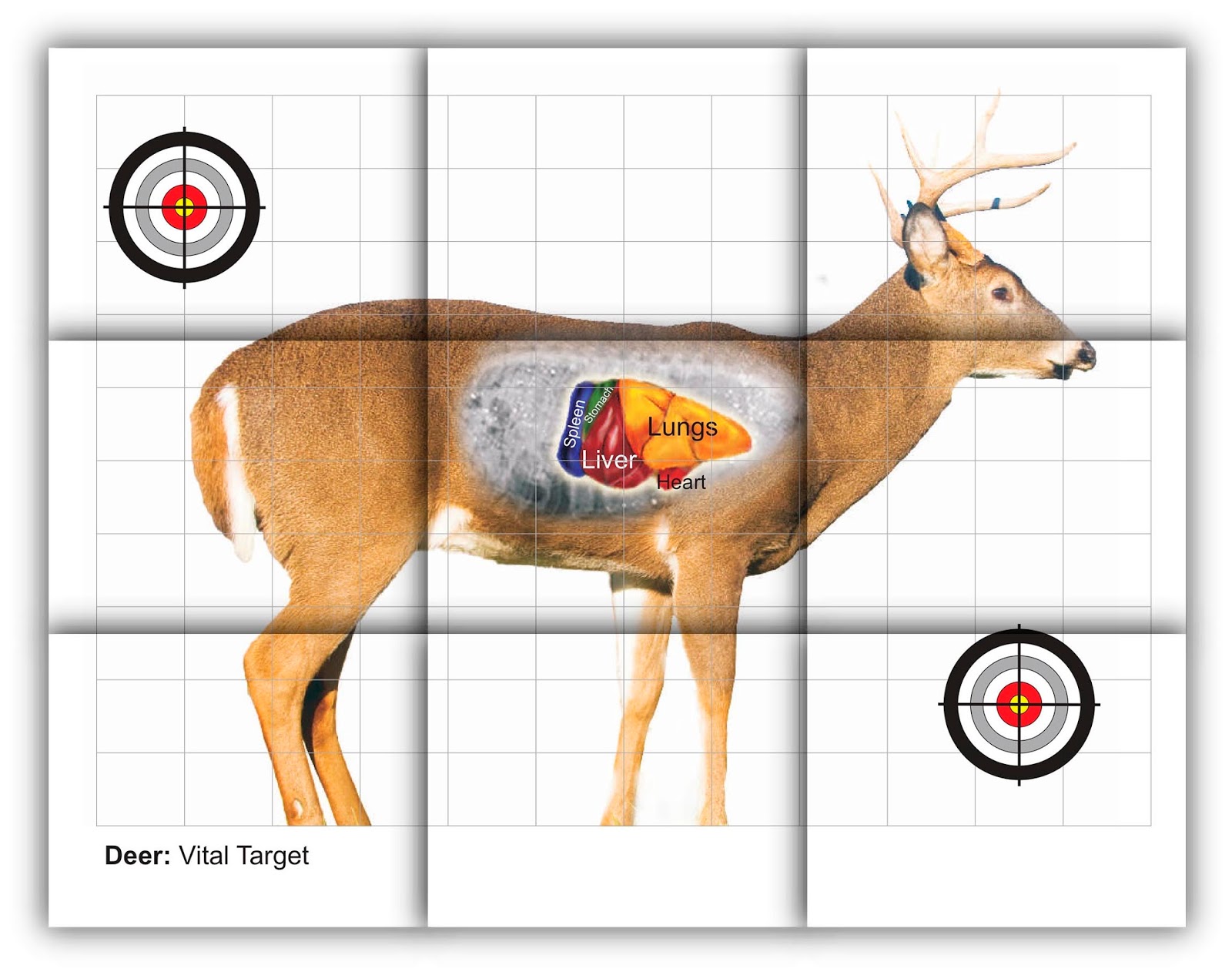
Распечатай и Стреляй! Анатомические мишени животных. Animal vitalts

Deer Shooting Targets To Print Shooting Targets Free To Download And

Life Size Deer/Big Game Vitals Hunting Shooting Targets

Printable Deer Targets

Deer Vitals Target Printable
Deer, Any Of 43 Species Of Hoofed Ruminants In The Order Artiodactyla, Notable For Having Two Large And Two Small Hooves On Each Foot And Also For Having Antlers In The Males Of Most Species.
It Is Named For Its Ears, Which Are Large Like Those Of The Mule.
Deer Are Primarily Herbivorous Mammals That Constitute Cervidae, The Second Most Diverse Family Of Artiodactyls After Bovids (Family Bovidae).
Related Post:
